
Now that I asked, the answer might seem obvious.
The melting of white ice shelves into dark waters is one striking example of change in colour of Earth’s surface. While fresh pristine snow reflects almost all of the sunlight back into space, sea water is dark and absorbs most of the light that falls on it. Reflection of light, a form of energy, helps in keeping things cool while absorption makes things hot.
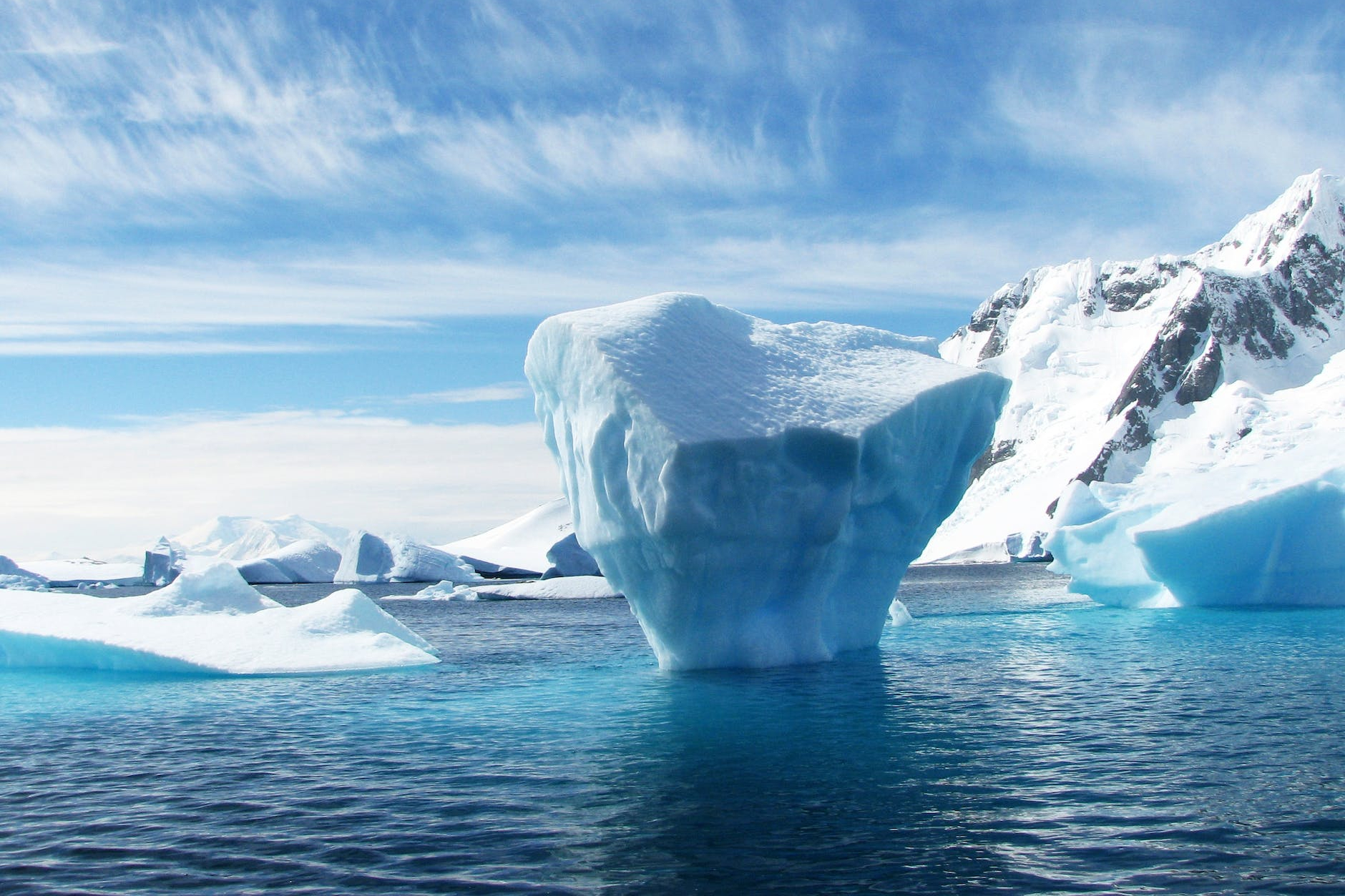
But do we understand that colours affect global warming? And are we being mindful about global warming, or even our personal energy bill, when choosing colours, say for our car, house or office? A light-coloured car stays cooler than a dark one under the sun. White and other light coloured surfaces reflect away most of the light and stay much cooler than black and other dark coloured surfaces. By using a lighter colour, not only can we save on energy when using air conditioning (AC) on a hot day, we may not even need the AC. This cooling effect is especially relevant in hot places.

Even the experience of entering a light-coloured car is more pleasant than a dark-coloured one, thanks to this basic property of reflection of light. The inside of the car stays relatively much cooler in a white car. There is even a scientific name for the percentage of reflection from a surface – albedo. 100% albedo is full reflection and 0% is no reflection (i.e., full absorption). Fresh snow and white painted smooth roofs have a high albedo, as much as up to 90%, keeping them cool. Dark tarred roads have very low albedo, as low as 3%, making them very hot under the sun.
This phenomenon has led to efforts to paint roofs and cars to make them cool by using white or other light colours. While a car or house-roof may appear too small a surface to matter on a global scale, there is a positive multiplicative effect of such actions making them worthwhile. When energy is saved (e.g., due to lower AC or fan requirements), it also reduces emissions and pollution in the entire life-cycle of producing and transporting that avoided fuel. The reduction in avoided heating from reflection can also add up over time to a large number when many surfaces turn from dark to light.
Now that almost everyone can experience that global warming is happening, even accelerating, and that our actions to deal with it are far from adequate, we can benefit from a change in our choice of colours. We can make a refined choice that is based on this basic understanding of reflection of light.
In a new emerging culture that is more mindful, colour would play a role.
Sources:
 Environment & Human Behaviour